Advocacy
Pressing for NCDs to hold their place in national health budgets, policy and the essential medicines list.
We are the national alliance for non-communicable disease. We bring together the organisations, clinicians, researchers and patients working on heart disease, diabetes, cancer, sickle cell and chronic respiratory illness, and we push for care that reaches people in time.
One voice for a burden that has no single owner.
Non-communicable disease does not sit neatly inside one programme. It runs across cardiology, oncology, endocrinology, primary care, nutrition and mental health, and it lands hardest on households that can least afford it. That fragmentation is why a national alliance exists.
We bring together member organisations across patient groups, professional associations, research institutions and civil society. We work alongside the Ministry of Health and Sanitation rather than around it.
Our purpose is straightforward. Make the burden visible, hold the national strategy to its own targets, and make sure people living with these conditions are in the room when decisions are made about them.
To reduce preventable death and disability from non-communicable disease in Sierra Leone by uniting the organisations working on it and holding national commitments to account.
A Sierra Leone where every person living with a chronic condition can be diagnosed early, treated close to home and supported for as long as they need it.
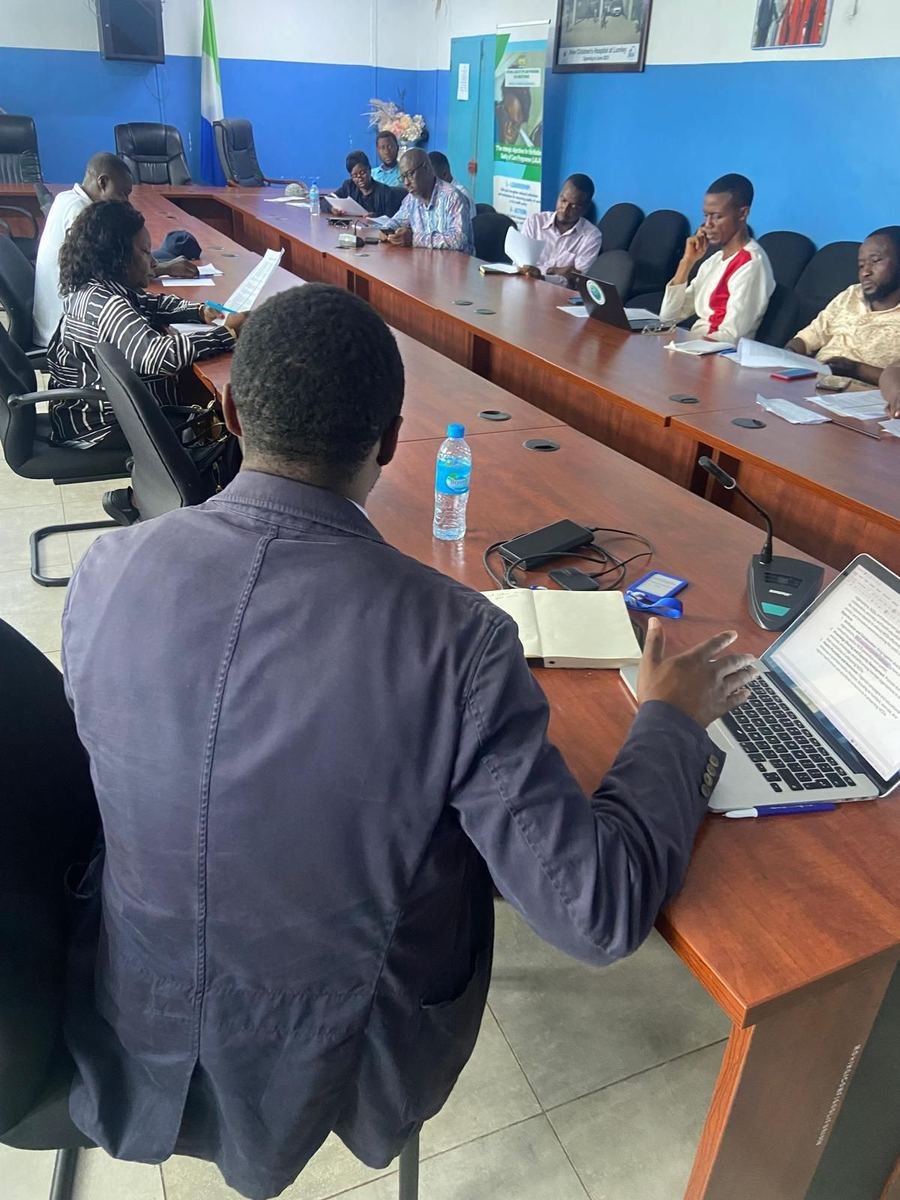
Alliance members and partners at a coordination meeting in Freetown.
Four areas of work, drawn from the gaps our members meet every day.
Pressing for NCDs to hold their place in national health budgets, policy and the essential medicines list.
Gathering what is known about the burden in Sierra Leone and putting it somewhere people can find it.
Supporting patient groups so people living with these conditions speak for themselves rather than being spoken about.
Backing training and mentoring for the frontline workers who carry most of the chronic care in this country.
Deaths from non-communicable disease recorded between 2018 and 2020. Use the filters to read the pattern by cause, by sex and by age band.
Programmes run by the Ministry of Health and Sanitation and its partners.
Ministry of Health and Sanitation · WHO AFRO · NCDI Poverty Network
Care for severe chronic conditions, type 1 diabetes, rheumatic heart disease and sickle cell disease, has historically only existed in tertiary hospitals in Freetown. PEN-Plus moves it down…
Ministry of Health and Sanitation · WHO
The Package of Essential NCD Interventions puts hypertension, type 2 diabetes and chronic respiratory disease into the hands of frontline health workers at community health centres, alongside the…
Partners In Health · Ministry of Health and Sanitation · Kono district
Opened in February 2018 as the first longitudinal NCD service in rural Sierra Leone. Community health officers and state enrolled community health nurses run it under clinician mentorship,…
How the Alliance works with civil society across Sierra Leone.
We do not deliver services and we do not duplicate what our members already do well. The Alliance exists to join them up, so that the organisations working on diabetes, sickle cell, cancer, tobacco, alcohol, mental health, kidney and lung disease speak to government with one voice.
In practice that means running the shared awareness calendar, assembling consortium bids that no single national organisation could win alone, connecting members to the research being done on their condition, and carrying an agreed position into the national NCD strategy and the essential medicines list.
Members keep their own identity, programmes and funding relationships. What they gain is a seat in a bigger room.
How we work together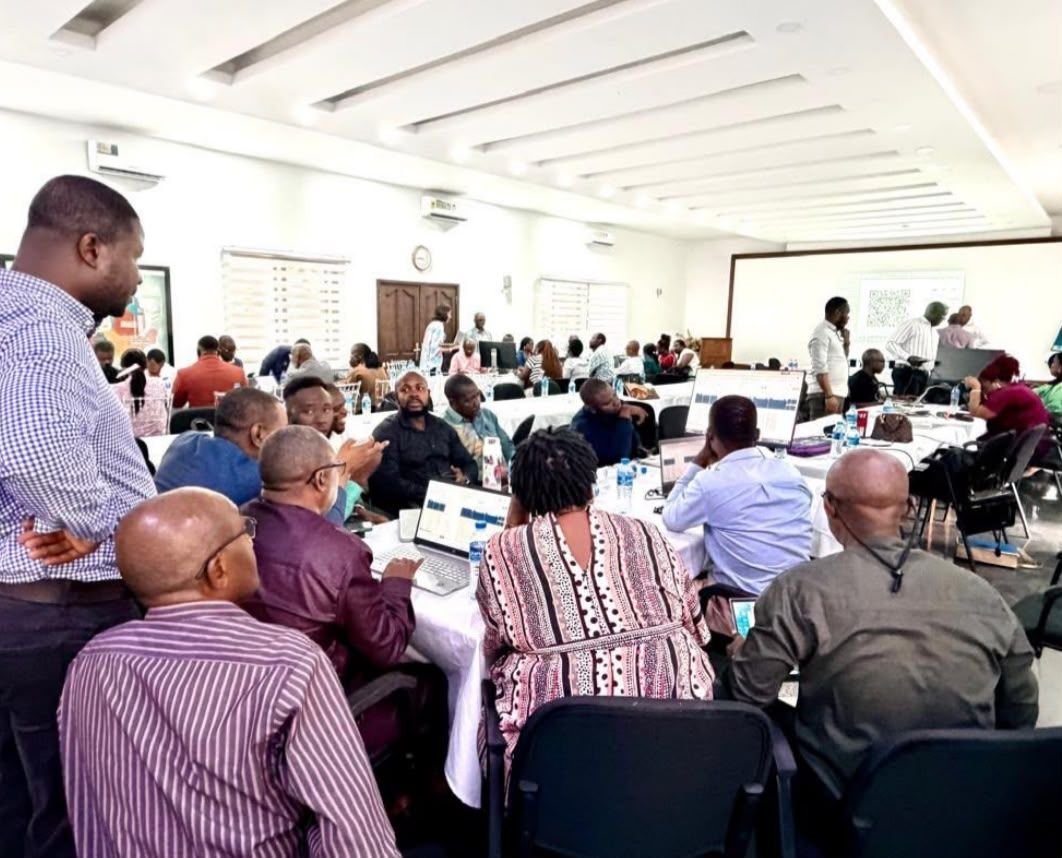
Alliance members and partners at a coordination meeting in Freetown.
Six things the Alliance does that individual members asked for.
We run the shared calendar for World Diabetes Day, World Hypertension Day, World Sickle Cell Day and the rest. One member leads each date, the others amplify, and we agree a single public ask so the message does not fragment.
Many calls for proposals are too large for a single national organisation and too small to interest an international NGO. We assemble consortium bids where members bring complementary reach, and we share intelligence on what is coming.
We connect members to the research being done on their condition in Sierra Leone, and connect researchers to the communities and patient groups they need. Members contribute to study design and get the findings first.
We take the shared position into national processes: the NCD strategic plan, the essential medicines list, budget submissions and the tobacco and alcohol policy agenda.
Where one member has built something useful, a peer education curriculum, a screening protocol, a media training pack, we help spread it rather than let every organisation rebuild it.
We back patient-led groups to speak for themselves in the rooms where decisions get made, rather than being represented by clinicians or by us.
What is happening on non-communicable disease in Sierra Leone, across West Africa and on the wider continent.
We gather items from WHO African Region, the NCD Alliance, Resolve to Save Lives, the NCDI Poverty Network, research partners and our own members. Use the filters to narrow by theme.
September 2026
In 2024 a Sierra Leonean delegation travelled to Queen Mary University of London to explore research and training partnerships. That visit is where the conversation started that became SLASH, the…
Read about the delegation visitSeptember 2026
The salt and hypertension study has finished its urban phase, with 270 24-hour urine samples collected. Fieldwork moves to Kono district in October.
Read more31 August 2026
Singing, games and disease self-management lessons at an integrated camp for young people in Sierra Leone living with type 1 diabetes or sickle cell disease.
Read on NCDI Poverty2024
A Sierra Leonean delegation visited Queen Mary University of London to discuss research and training partnerships across health and education.
Read on Queen Mary31 August 2026
Mohamed Tejan, 19, travels nearly 200 miles from Freetown for sickle cell care and free medicine that is not available to him in the capital at any price.
Read on NCDI Poverty2023
Dr Dan Youkee, Professor Catherine Sackley and colleagues published case fatality rates and functional outcomes from the first prospective stroke register in the country. The findings are the strongest argument…
Read the studyFrom the people living with these conditions and the people treating them.
Before the clinic opened here I would travel to Freetown or go without. Now there is somewhere in Kono that knows me, keeps my card, and checks my pressure every month. That has changed what I expect from my own health.
They came to my house and measured my pressure and my sugar. I did not know I had high blood pressure. Now that I know, I will make the effort to see someone and to look after myself properly.
People here know sickness by what you can see. High blood pressure shows nothing until it takes you. That is why so many of us find out too late.
The advice is to eat better and to walk more. But the food that is cheap is the food that is bad for you, and the medicine costs money we do not have. Tell us what to do and also help us do it.
Patient groups, coalitions, government and multilateral partners working on NCDs in Sierra Leone.